
IT Services and Infrastructure Support
Our services cover infrastructure, cloud platforms, network connectivity, security, data protection and ongoing technical support. These services support business-critical systems and may be delivered individually or combined to maintain long-term reliability and operational continuity.
These services apply in different situations. Some issues affect a single computer or a specific system, while others involve shared environments, security controls, or business-critical services. This page helps you understand which type of support may be appropriate and where to go next.
How Our Services Are Structured
Some organisations require focused support in a specific area, such as wireless network design, data recovery or Microsoft 365 configuration. Others benefit from a coordinated approach that brings together infrastructure, security, cloud management and ongoing IT support.
Work typically begins with understanding how your systems are used and what the issue affects. Some situations can be addressed directly, while others require coordinated changes across infrastructure, cloud platforms, or security controls. The aim is to apply the right level of support without introducing unnecessary complexity.
Many modern IT issues are connected. A problem may appear to involve one device, but the underlying cause may sit in Microsoft 365, Google Workspace, DNS, supplier access, a cloud permission, browser session, backup platform or network configuration. The right service path depends on what the issue affects, who else depends on the system, and whether ongoing oversight is required.
Where security or resilience is involved, the review also considers business impact. This helps prioritise work based on disruption risk, recovery needs, supplier dependencies and practical value, rather than applying unnecessary complexity.
What Our Services Cover
The services below are grouped by how they are typically used in practice. Some apply to individual systems, while others relate to shared infrastructure, security, or long-term support. If you are unsure which applies, the descriptions below can help identify the most appropriate starting point.
Our services are designed to support day-to-day operations while strengthening performance, resilience and continuity over time.
Main support areas:
• Ongoing IT support and device management
• Microsoft 365 and Google Workspace administration
• Network design, wireless deployment and support
• Firewall configuration and network segmentation
• Computer support for standard PCs and laptops
• Endpoint protection and DNS filtering
• Data backup and resilience planning
• Business continuity planning
Specialist or coordinated services:
• Structured cabling, where physical installation or testing is required
• Data recovery coordination, where specialist recovery assessment is needed
• Supplier liaison for internet, VoIP, hosting, cloud and software providers
Each service is delivered with consideration for how it integrates with the wider technical environment.
These areas are reflected in the services below, which are grouped by how they are typically applied in practice.

Ongoing and ad hoc support to help keep systems reliable and users productive.
This is typically appropriate where systems are shared, multiple users are affected, or ongoing oversight is required.

Design and deployment of business and home office wireless networks, integrated with structured cabling, firewall configuration and network management.
This is typically appropriate where connectivity issues relate to coverage, performance, or network design rather than a single device.
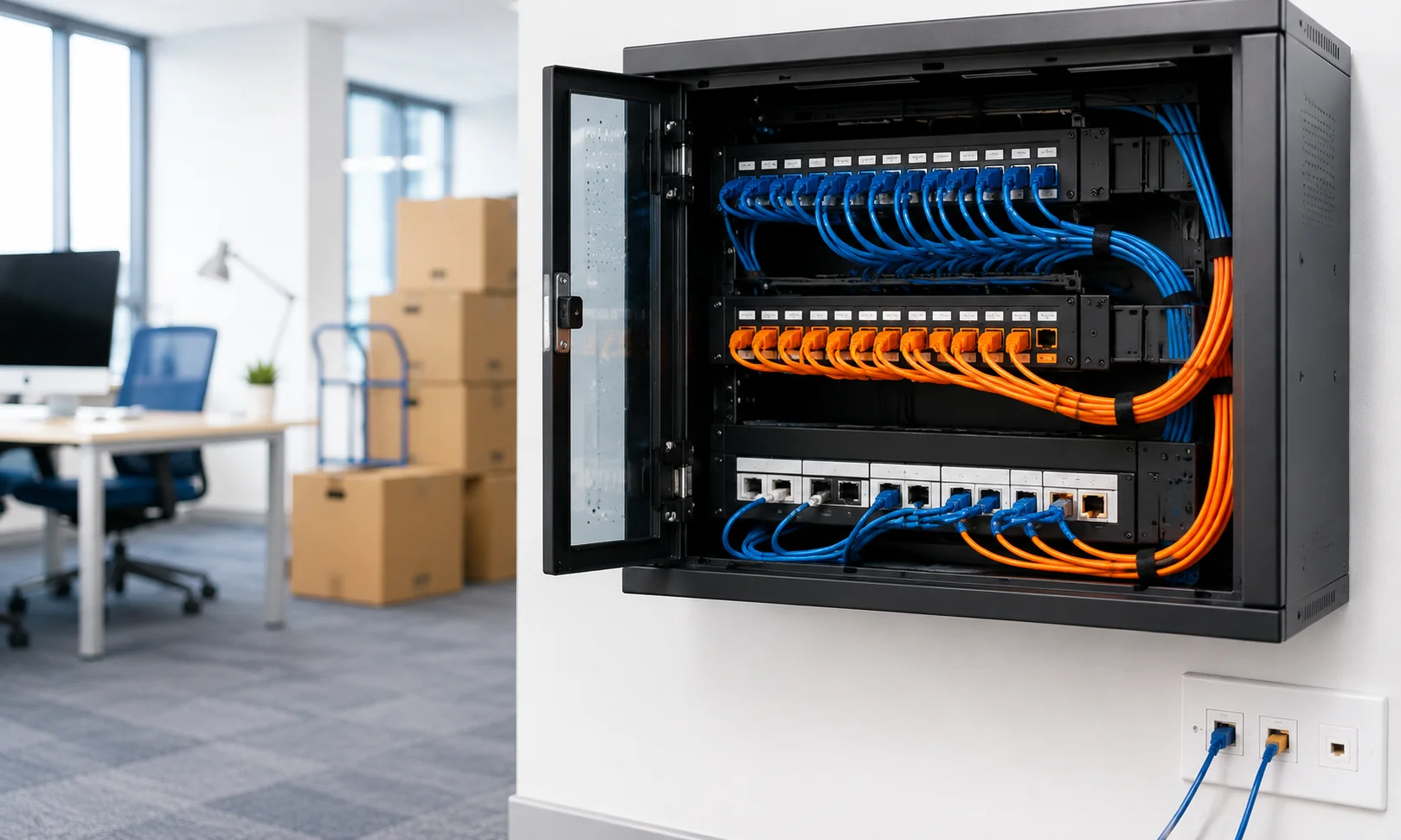
Network cabling and office move support planned to minimise disruption and risk.
This is typically appropriate where physical infrastructure needs to support changes in layout, expansion, or relocation.

Assessment-led support for individual devices used in work environments.
This is typically appropriate where the issue is limited to a single computer or laptop rather than shared systems.

Assessment-led data recovery support, including liaison with specialist providers where required.
This is typically appropriate where files are no longer accessible due to device failure, deletion, or corruption and specialist recovery may be required.

Planning, configuration and support for cloud platforms such as Microsoft 365.
This is typically appropriate where email, file sharing, or cloud platforms such as Microsoft 365 need to be configured, migrated, or managed.
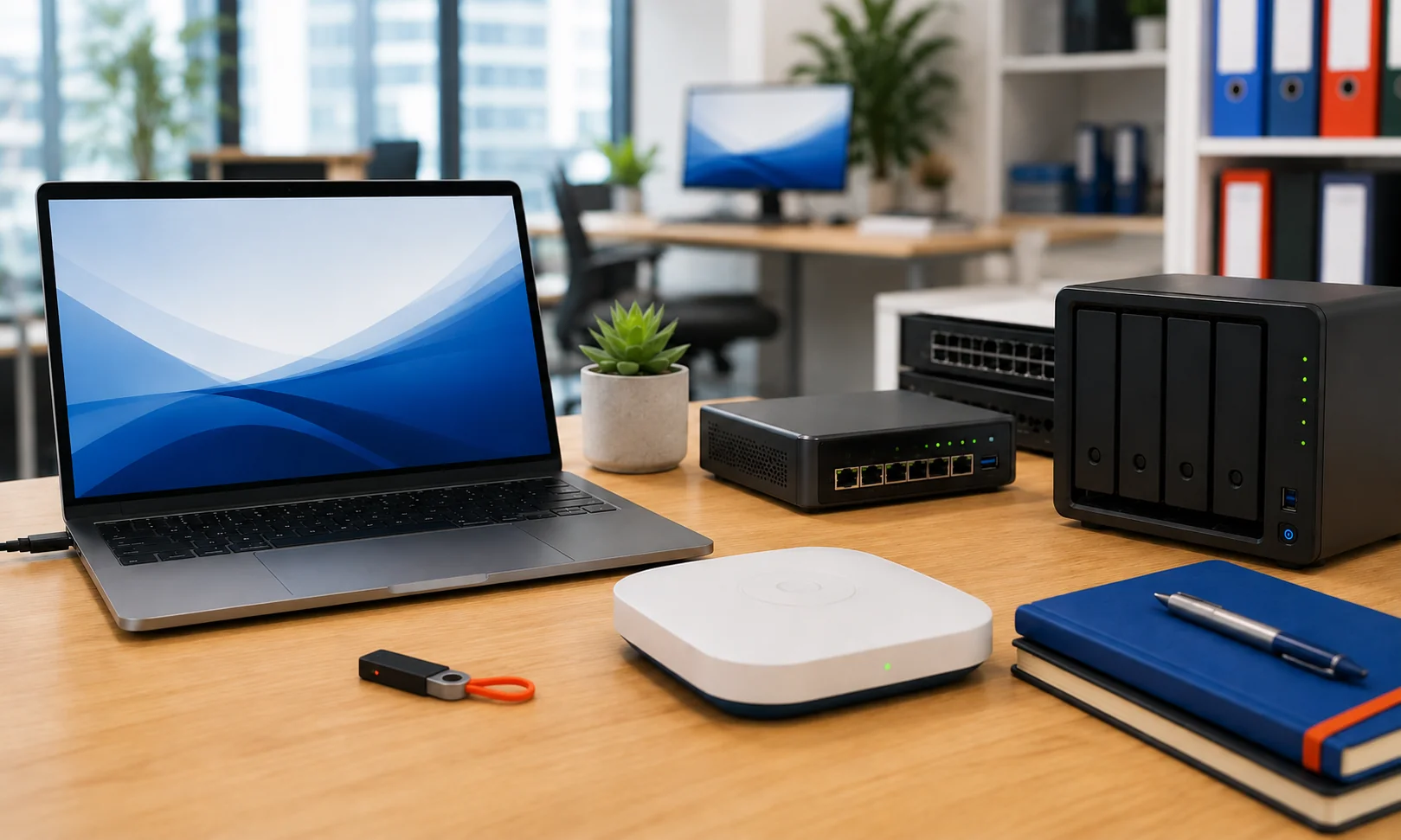
Security configuration and guidance designed to reduce risk and improve resilience over time.
This is typically appropriate where there are concerns about security, risk, backup, or the ability to recover from incidents affecting systems or data.

IDrive backup options for business computers, files and supported cloud services, with configuration, recovery assistance and ongoing oversight available through Evening Computing.
Evening Computing is an IDrive Referral Partner. Evening Computing is an IDrive Referral Partner. IDrive subscriptions are purchased directly from IDrive. Evening Computing can help review which backup approach is appropriate, configure the service where required and provide technical oversight during implementation.
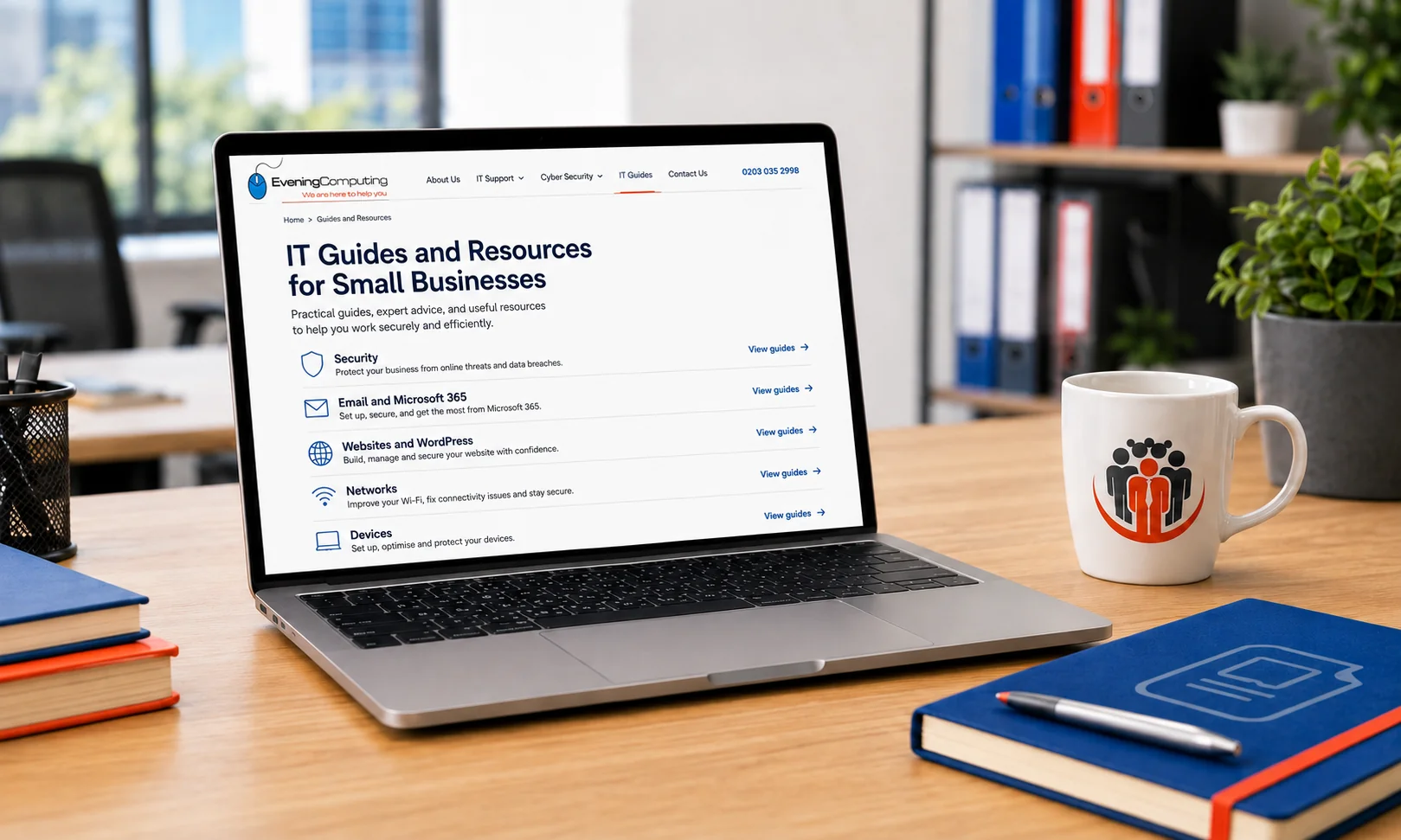
Practical IT guides explaining how technology problems and security risks occur across websites, email systems, cloud services, devices and local networks used by organisations, professionals and individuals.
Once the nature of the issue is clearer, the next step is identifying the most appropriate type of support.
Choosing the right type of support
Different types of issues require different types of support. The examples below can help identify the most appropriate starting point.
- If the issue affects one computer or laptop, Computer Support is usually the right starting point.
- If multiple users, shared files, or business systems are involved, IT Support is typically more appropriate.
- If the issue relates to internet connectivity, wireless performance, or network design, Wireless Network Design may be required.
- If email, Microsoft 365, or shared cloud systems are involved, Cloud Solutions may be more relevant.
- If data is lost or inaccessible, Data Recovery may be required.
- If there are concerns about security, backup, or resilience, Security and Resilience services may apply.
Where the situation is unclear, the most appropriate starting point can be identified following an initial review.
If you are looking for support based on location, our Local IT Support page explains how remote and onsite support may apply across London, Hertfordshire and Essex, and how different issues may connect to computer support, IT support, wireless networking, network cabling, data recovery or wider infrastructure work.
Reviewing Your Current IT Setup
If you would like to review your current setup or a specific issue, you are welcome to get in touch. Based on your situation, we will help identify the most appropriate type of support and explain the next steps clearly before any work proceeds.